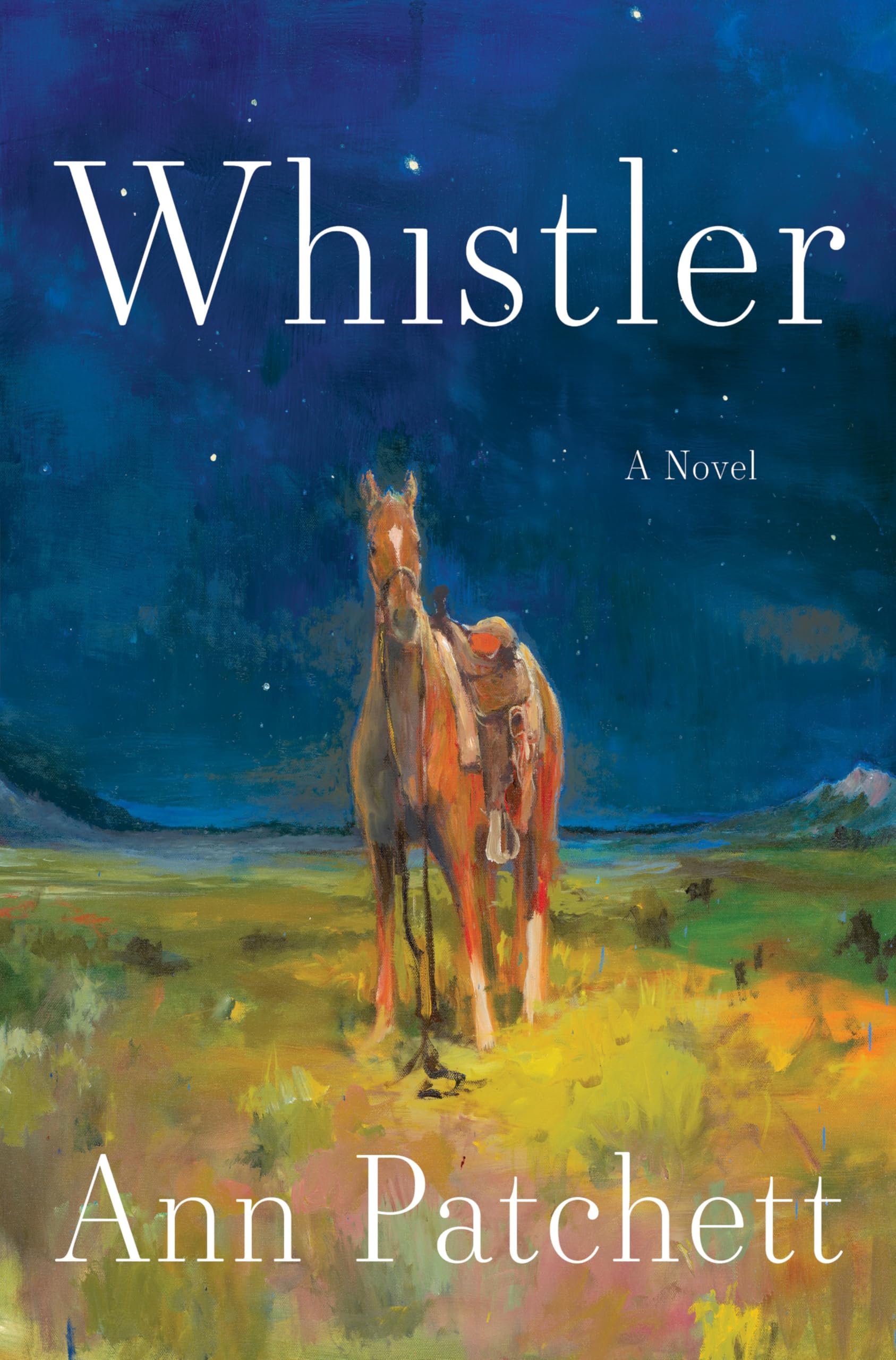
A Quietly Unsettling Look at Small-Town Secrets: Whistler: A Novel
There is a particular kind of dread that creeps in when you realize a place you thought you knew is hiding something. That’s the central feeling in Whistler: A Novel, a work of fiction that leans heavily on atmosphere and slow-burn tension rather than cheap thrills. The story follows a young journalist who returns to her hometown in the Pacific Northwest after a decade away, drawn back by the mysterious death of a childhood friend. What she finds is not a straightforward mystery but a layered examination of memory, community, and the stories we tell ourselves to keep the past manageable.
Reading this novel feels less like racing through a plot and more like sitting in a dimly lit room, watching shadows shift. The prose is deliberate, sometimes to a fault. The author spends considerable time describing the damp forests, the peeling paint on old storefronts, and the weight of unspoken conversations. For readers who enjoy immersive settings, this will be a strength. For those who prefer faster pacing or more dialogue-driven narratives, it may feel like the story is treading water in places.
One of the key functional features here is the structure: the narrative alternates between the present-day investigation and flashbacks to the protagonist’s adolescence. This technique allows the reader to piece together the history of the town and its residents gradually. It’s handled competently, though the transitions are not always seamless. Occasionally, a flashback arrives just when the present-day tension is building, which can be frustrating. Still, the cumulative effect is effective—you end up knowing the characters in a way that a linear timeline might not allow.
In terms of real-world usage, this is a book best suited for quiet evenings or long commutes where you can sink into its mood. It’s not a page-turner in the thriller sense; there are no car chases or shocking twists every chapter. Instead, the suspense comes from small details that don’t add up, like a photograph that doesn’t match a memory, or a casual remark that feels too rehearsed. The novel asks you to pay attention, and that kind of active reading can be rewarding if you’re in the right headspace.
However, there is a notable limitation: the resolution feels somewhat rushed. After spending so much time building the atmosphere and developing the emotional weight of the protagonist’s return, the final explanation for the death arrives with a brevity that feels anticlimactic. It’s not that the answer is unsatisfying—it makes logical sense—but the journey to get there feels out of balance with the destination. Some readers may find themselves wishing the last fifty pages had been given the same careful attention as the first two hundred.
Compared to other novels in the literary mystery or domestic suspense categories—such as works by Tana French or the more character-driven entries in the genre—Whistler occupies a middle ground. It has the emotional depth of literary fiction but lacks the intricate plotting of a dedicated mystery. It’s less propulsive than something like The Girl on the Train but more introspective. If you enjoy books that prioritize character and place over puzzle-solving, this will likely appeal to you. If you are looking for a tightly wound whodunit with red herrings and a dramatic reveal, you might find yourself underwhelmed.
Who is this for? It’s suitable for readers who appreciate nuanced portrayals of small-town dynamics, those who don’t mind a slower pace, and anyone interested in how grief reshapes perception. It is not ideal for readers who want quick resolutions, high-octane action, or a clear moral line between good and bad characters. The novel deliberately blurs those lines, and not everyone will find that comfortable.
Ultimately, Whistler: A Novel is a competent, thoughtful addition to the literary mystery shelf. It does not reinvent the genre, but it does what it sets out to do with care and a clear sense of place. It’s a book that will linger in your mind more for its mood than its plot, and that may be exactly what some readers are after.