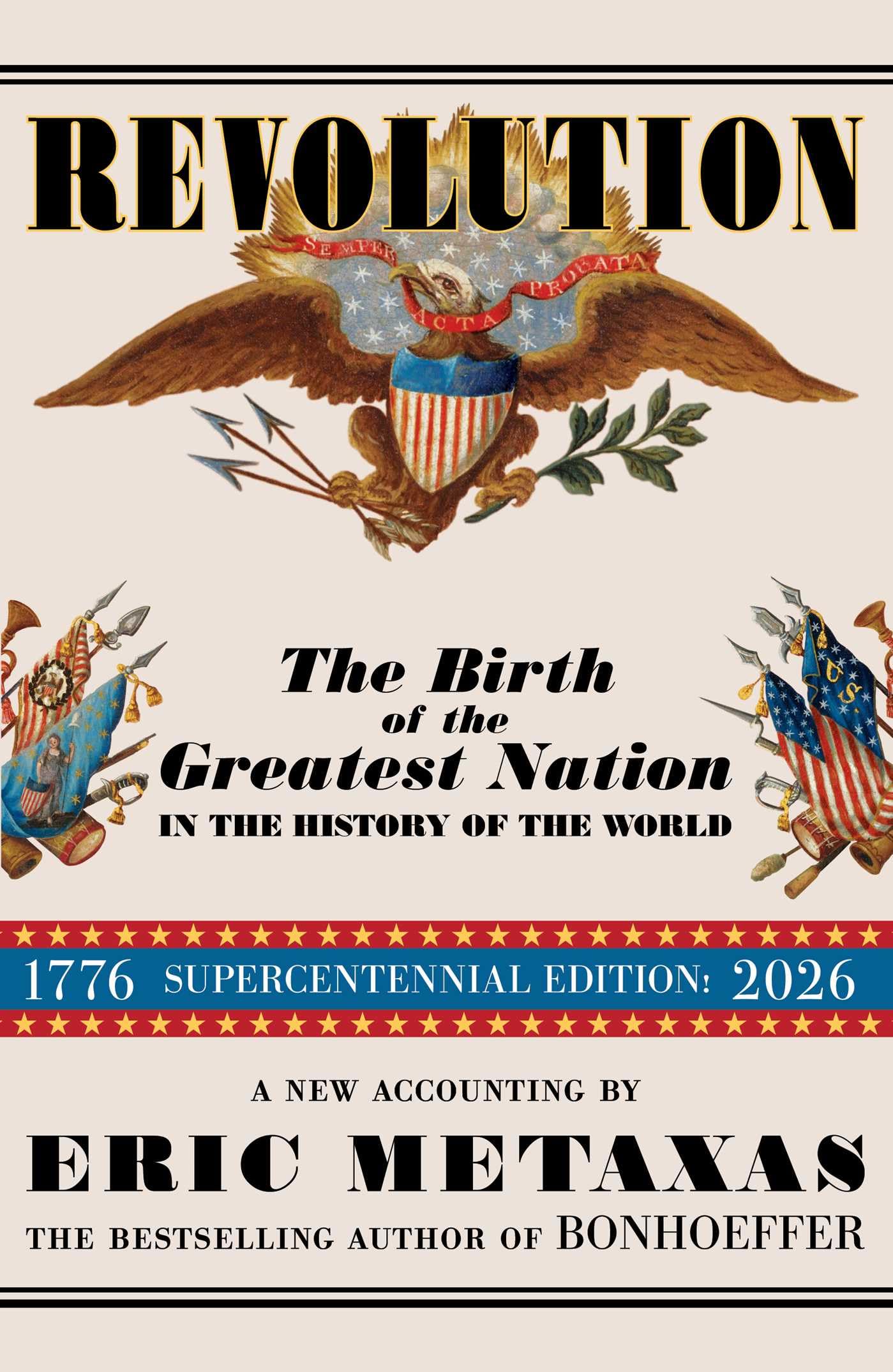
Revolution: The Birth of the Greatest Nation in the History of the World – A Historical Fiction Novel Review
Revolution: The Birth of the Greatest Nation in the History of the World is a historical fiction novel that attempts to capture the tumultuous early days of the United States. It focuses on the political and personal struggles of key figures during the Revolutionary War era, blending documented events with imagined dialogue and inner thoughts. The book is designed for readers who enjoy immersive historical narratives, but it comes with some notable trade-offs that potential buyers should consider.
In practice, this novel is often used as leisure reading for history enthusiasts or as supplementary material for those studying the American Revolution. It works best when read in a relaxed setting, allowing the reader to absorb the detailed descriptions of battles, debates, and colonial life. The author includes extensive notes on sources, which adds a layer of credibility for those who want to verify historical accuracy. However, the pacing can be uneven—some chapters are brisk and action-driven, while others slow down significantly for philosophical musings or character backstories. This may frustrate readers expecting a consistently fast-moving plot.
Key functional features include a multi-perspective narrative that shifts between figures like George Washington, Thomas Jefferson, and lesser-known soldiers. The book also incorporates primary source excerpts, such as letters and diary entries, to ground the fiction in reality. The prose is descriptive but avoids being overly ornate, which helps maintain readability. One notable strength is the author’s attention to period-specific details, from clothing to political jargon, which adds authenticity. That said, the sheer volume of characters can be overwhelming; a reader’s guide or character list would have been helpful, but the book lacks one.
There are limitations worth noting. The novel leans heavily on the perspective of elite, white male figures, with limited attention to women, enslaved people, or Native Americans. This narrow focus may feel dated or incomplete to modern readers who expect a more inclusive historical lens. Additionally, the book’s length—over 500 pages—might deter casual readers. Some sections, particularly those detailing legislative debates, read more like a textbook than a novel, which can disrupt the narrative flow. The author also occasionally inserts modern political commentary into character thoughts, which can feel anachronistic and break immersion.
Compared to other historical fiction works, such as those by Ken Follett or Bernard Cornwell, Revolution offers less action-driven storytelling and more introspection. It is closer in style to a literary historical novel like Wolf Hall, but without the same level of character depth. For readers seeking a faster-paced, battle-focused account of the Revolution, alternatives like 1776 by David McCullough (nonfiction) or the Johnny Tremain series (young adult fiction) might be more suitable. This book is best for those who enjoy dense, character-driven narratives and are willing to invest time in a slower burn.
Who it is for: Readers with a strong interest in the American Revolution who appreciate detailed historical context and multiple viewpoints. It works well for book clubs that enjoy discussing political and ethical dilemmas. Who it is not for: Those looking for a quick, plot-driven thriller or a comprehensive history covering all demographics of the era. Casual readers may find the length and pacing challenging, and those sensitive to historical biases may be frustrated by the limited perspective.
In summary, Revolution: The Birth of the Greatest Nation in the History of the World is a ambitious but imperfect novel. It succeeds in creating a vivid sense of time and place but stumbles with inclusivity and pacing. It earns a place on the shelf for dedicated history buffs, but it is not a universal recommendation.