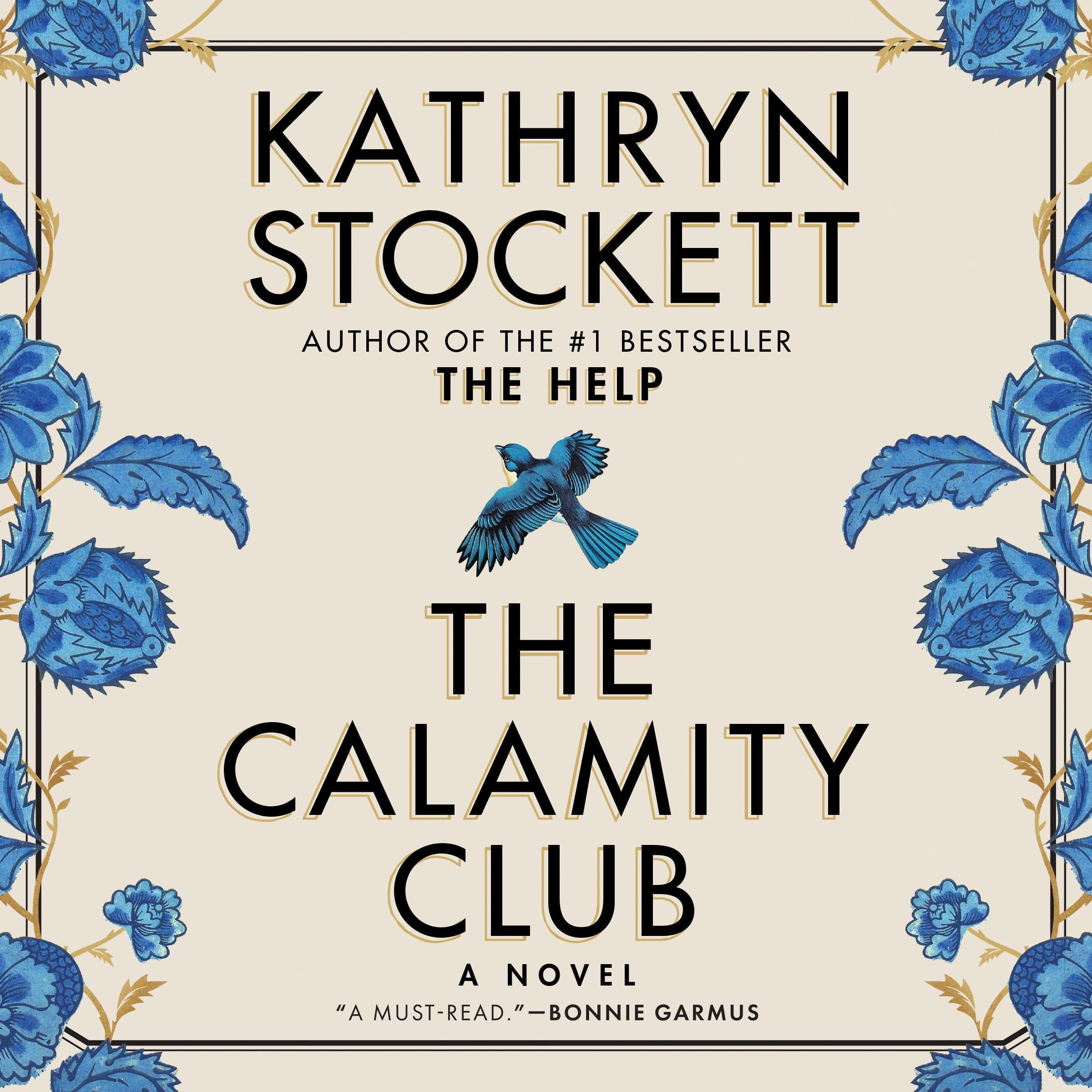
The Calamity Club: A Novel — A Slow-Burn Mystery That Divides Readers
The Calamity Club, a recent release in the literary fiction and mystery crossover space, has been generating chatter among book clubs and casual readers alike. As a novel that promises intrigue and a touch of the uncanny, it lands on shelves with a premise that hooks you: a secret society, a missing person, and a web of old loyalties. After spending a few weeks with it, both in quiet evening reads and during a longer weekend immersion, I’ve found it to be a work that rewards patience but may frustrate those seeking faster pacing.
In real-world usage, this is a book you pick up when you’re in the mood for atmospheric detail over action. The narrative unfolds through multiple perspectives, each adding layers to the central mystery of a character who vanishes under odd circumstances. The author leans heavily on setting—a rain-soaked city with crumbling architecture and hidden meeting rooms—which works well if you enjoy prose that paints a moody backdrop. The key functional features here are the slow reveal of clues and the internal monologues of the characters, who are flawed and often unreliable. The plot isn’t driven by chases or sudden twists; instead, it relies on conversations, letters, and small observations that accumulate over time. This makes it a solid choice for readers who like to piece together puzzles slowly.
However, there is a notable trade-off. The deliberate pace can feel sluggish, especially in the middle third of the book. Some chapters meander into backstory that, while character-building, doesn’t always advance the central plot. I found myself skimming a few passages where the descriptions of the club’s rituals became repetitive. For a novel marketed partly as a mystery, the payoff is more philosophical than thrilling—the resolution leans toward ambiguity, which may leave genre purists wanting a clearer conclusion. Compared to, say, a standard detective novel by Tana French or a more plot-driven thriller like those from Ruth Ware, The Calamity Club prioritizes atmosphere and character study over a tight, clue-driven narrative. It’s closer in spirit to a literary novel with mystery elements than a whodunit.
The strengths lie in the writing itself. The dialogue feels natural, and the relationships between characters—old friends, rivals, and strangers—are drawn with nuance. The author avoids easy stereotypes, giving even minor figures a sense of history. One character, a retired journalist drawn back into the case, stands out for her cynical yet vulnerable voice. The book also handles themes of memory and loyalty without being heavy-handed. On the downside, the multiple viewpoints occasionally blur together; some voices sound too similar, and it takes effort to remember who is who. The mystery’s central question—what happened to the missing person—is compelling enough to keep you turning pages, but the answer might not satisfy everyone. I’ve seen early reader discussions online where opinions split sharply: some praise the emotional depth, others call it anticlimactic.
Who is this novel for? It suits readers who enjoy literary fiction with a slow burn, those who appreciate character-driven stories where the mystery is a vehicle for exploring relationships and regrets. It also works well for book clubs, as the ambiguous ending sparks debate. It is not suitable for readers who want a fast-paced thriller with clear, linear resolution or for those who dislike open-ended conclusions. If you typically read genre mysteries and expect all threads to tie up neatly, this might frustrate you. Similarly, if you prefer concise prose and minimal description, the lush, sometimes verbose style could feel excessive.
In practical terms, The Calamity Club is a book you read for the journey, not the destination. It’s a solid addition to the literary mystery category but not a standout that redefines it. The writing is competent and often beautiful, but the pacing and ambiguity limit its appeal. For a balanced reading experience, I’d recommend pairing it with a more straightforward thriller if you need a change of pace. Overall, it’s a worthwhile read if the premise intrigues you, but go in with tempered expectations about the payoff.