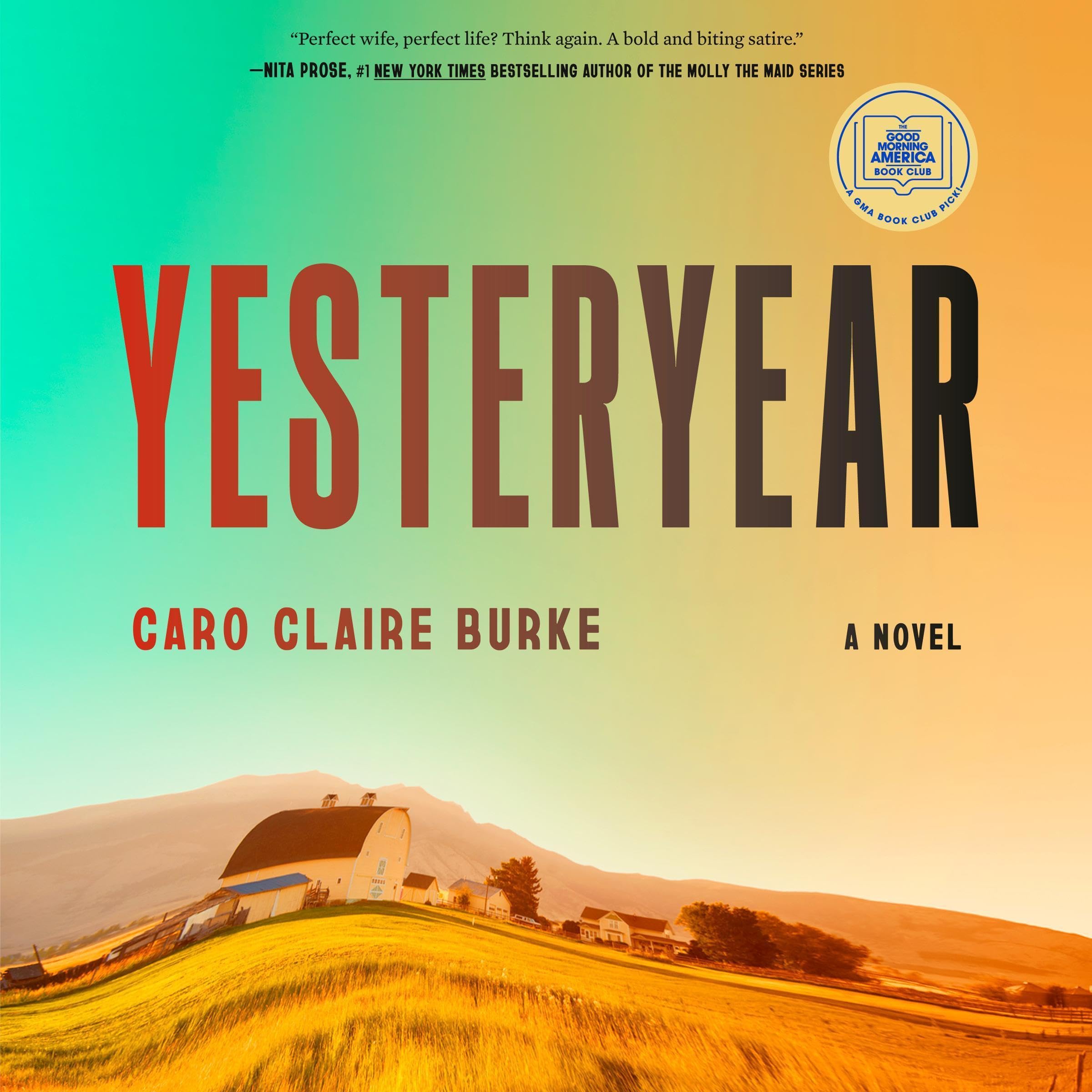
Yesteryear: A GMA Book Club Pick – A measured look at this historical fiction novel
Yesteryear, selected as a GMA Book Club Pick, is a historical fiction novel that attempts to weave together personal drama with broader societal shifts. It centers on a family saga set in the mid-20th century, exploring themes of memory, loss, and the weight of unspoken secrets. The book has garnered attention for its atmospheric setting and character-driven narrative, but a closer look reveals both strengths and limitations that potential readers should consider.
In real-world usage, this is the kind of novel you might pick up for a leisurely weekend read or a book club discussion. Its pacing is deliberate, with a focus on internal monologue and descriptive passages rather than fast-paced action. Readers who enjoy slowly unfolding stories with rich historical detail will find it engaging, while those seeking a quick, plot-driven thriller may struggle to stay invested. The book’s structure alternates between past and present, a common device in literary fiction that here feels intentional but occasionally disrupts narrative flow.
Key functional features include its detailed period setting—the author clearly researched the era’s social norms, fashion, and political climate. The prose is polished, with some genuinely moving passages that capture the melancholic tone of nostalgia. The characters are well-drawn, though their motivations can feel predictable at times. The novel also touches on weighty topics like intergenerational trauma and the cost of conformity, but it handles them with a light touch rather than deep analysis.
However, there are notable trade-offs. The pacing is uneven; the middle section drags as the narrative lingers on secondary characters and subplots that don’t fully pay off. The resolution feels somewhat rushed, leaving several threads unresolved in a way that may frustrate readers who prefer closure. Additionally, the historical details, while accurate, sometimes overshadow the characters’ emotional arcs, making the story feel more like a period piece than a living, breathing drama.
Compared to other historical fiction novels like The Night Watchman by Louise Erdrich or The Dutch House by Ann Patchett, Yesteryear lacks the same level of emotional depth or narrative innovation. Those books use history as a backdrop for profound character studies, whereas this novel sometimes lets the setting do the heavy lifting. It’s a solid entry in the genre but not a standout—it doesn’t break new ground or offer surprising perspectives.
Who is this book for? It suits readers who appreciate atmospheric, character-driven historical fiction with a focus on family dynamics and quiet tragedy. It’s a good pick for book clubs that enjoy discussing themes like memory and identity. On the other hand, it is less suitable for readers who prefer fast-paced plots, clear moral arcs, or stories that challenge conventional narratives. If you’re looking for a gripping page-turner or a novel with a strong political or social message, this might feel underwhelming.
In summary, Yesteryear is a competent but not exceptional addition to the historical fiction genre. It delivers on its promise of a nostalgic, introspective read, but its pacing issues and lack of narrative risk hold it back from being truly memorable. For a book club pick, it offers enough material for discussion, but individual readers may find it a mixed experience.