Naturalis Ultra rTG Omega-3 1800mg Review: A High-Dose Fish Oil from Wild New Zealand Tuna
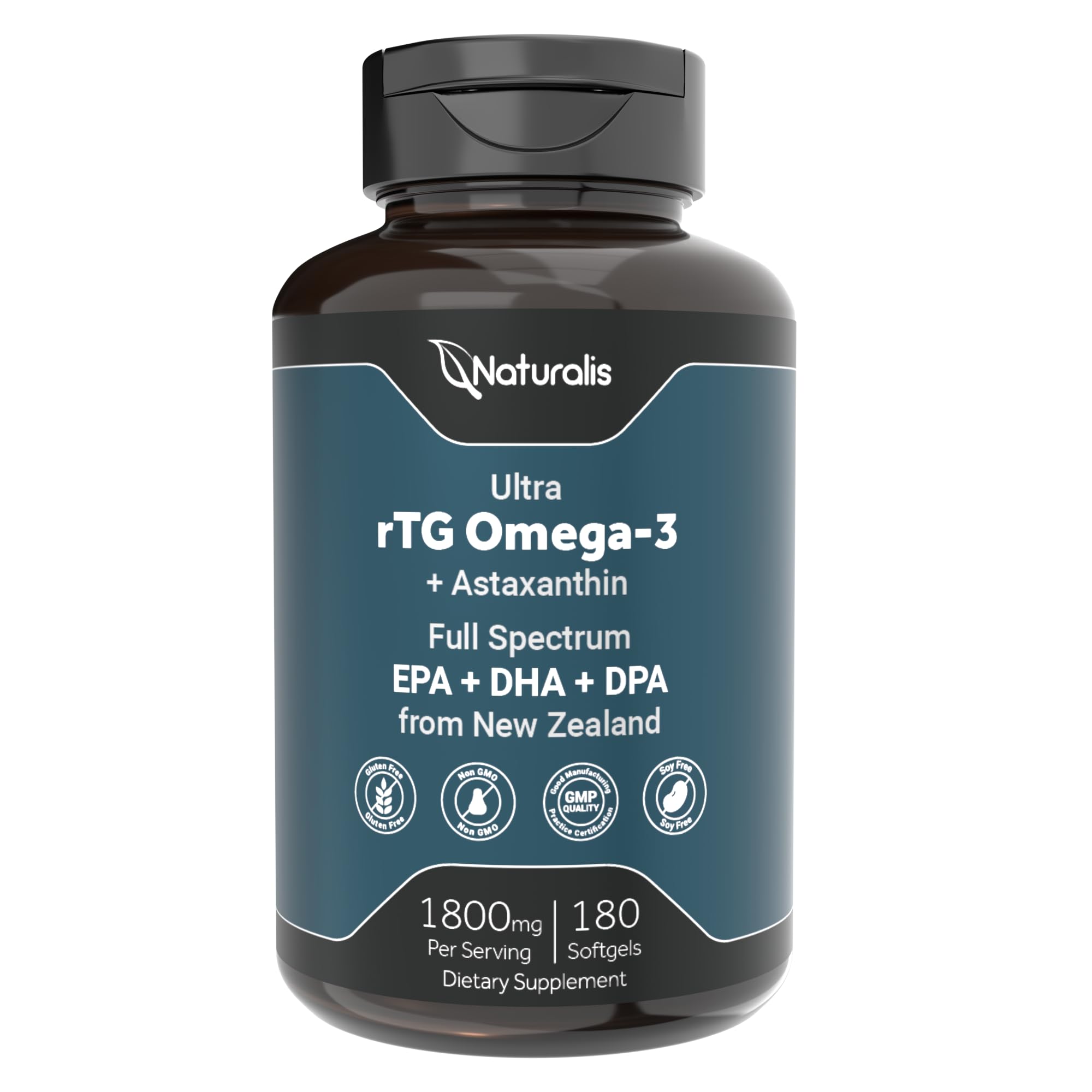
Fish oil supplements are a common sight on pharmacy shelves, but not all are created equal. The Naturalis Ultra rTG Omega-3 1800mg, sourced from wild New Zealand tuna, aims to stand out with a high concentration of omega-3s and third-party certification. After testing a 180-softgel bottle over two months, here is how it performed in daily use.
The product uses a re-esterified triglyceride (rTG) form, which is generally considered more absorbable than standard ethyl ester oils. Each two-softgel serving delivers 1800mg of total omega-3s, including 720mg EPA, 480mg DHA, and a notable 100mg of DPA. DPA is less common in fish oils and is sometimes linked to anti-inflammatory benefits, though research is still emerging. The oil is derived from wild-caught New Zealand tuna, and the company emphasizes sustainable fishing practices. It also holds IFOS certification, meaning it is tested for potency, purity, and freshness by an independent lab.
In practice, the softgels are mid-sized and easy to swallow, though some users might prefer smaller capsules. I took two with breakfast, as recommended, and noticed no fishy aftertaste or burping—a common issue with lower-quality oils. This is likely due to the added lemon oil and the freshness of the rTG form. Over the trial period, I did not experience dramatic changes, but that is typical for omega-3s; benefits like joint comfort or cognitive support often take weeks or months to become noticeable. For someone already eating fatty fish regularly, the effects may be subtle. For those with low dietary intake, the high dose could help fill a gap more efficiently than a lower-potency product.
A key limitation is the cost. This oil is priced at a premium compared to generic fish oils or even some other rTG brands. While the sustainability and certification add value, budget-conscious shoppers might find a more affordable option. Another trade-off is the capsule count: 180 softgels at two per day means a 90-day supply, which is decent but not exceptional. Some competitors offer 240 or 300 capsules for a similar price. Additionally, the high dose means it is not suitable for everyone. People on blood thinners or with upcoming surgery should consult a doctor before use, as high EPA/DHA can thin the blood. It also may not be ideal for those who prefer lower doses or want to start with a smaller serving.
Compared to a standard ethyl ester fish oil from a supermarket brand, the Naturalis product feels more refined. The ethyl ester versions are often cheaper but can cause burping and may be less efficiently absorbed. If you are sensitive to aftertaste or want maximum absorption, the rTG form here is a clear step up. However, if you are just looking for general heart health and are not picky about form, a mid-range ethyl ester oil might serve you well at half the price. Another alternative is a krill oil, which provides astaxanthin and smaller doses of EPA/DHA, but typically costs more per milligram of omega-3.
Who is this for? It suits health-conscious individuals who value purity, sustainability, and a high-potency, well-absorbed omega-3 source. It is also a good fit for those who dislike fishy burps or want the extra DPA. Who should skip it? People on a tight budget, those who need a lower daily dose, or anyone who prefers a one-softgel serving. Also, if you already eat plenty of wild salmon and mackerel, the added benefit may be marginal.
Overall, the Naturalis Ultra rTG Omega-3 1800mg is a solid, well-documented product that delivers on its promises—just at a higher price point. It does what it says without hype, and the IFOS certification provides genuine peace of mind. For the right user, it is a dependable option, but it is not a necessity for everyone.